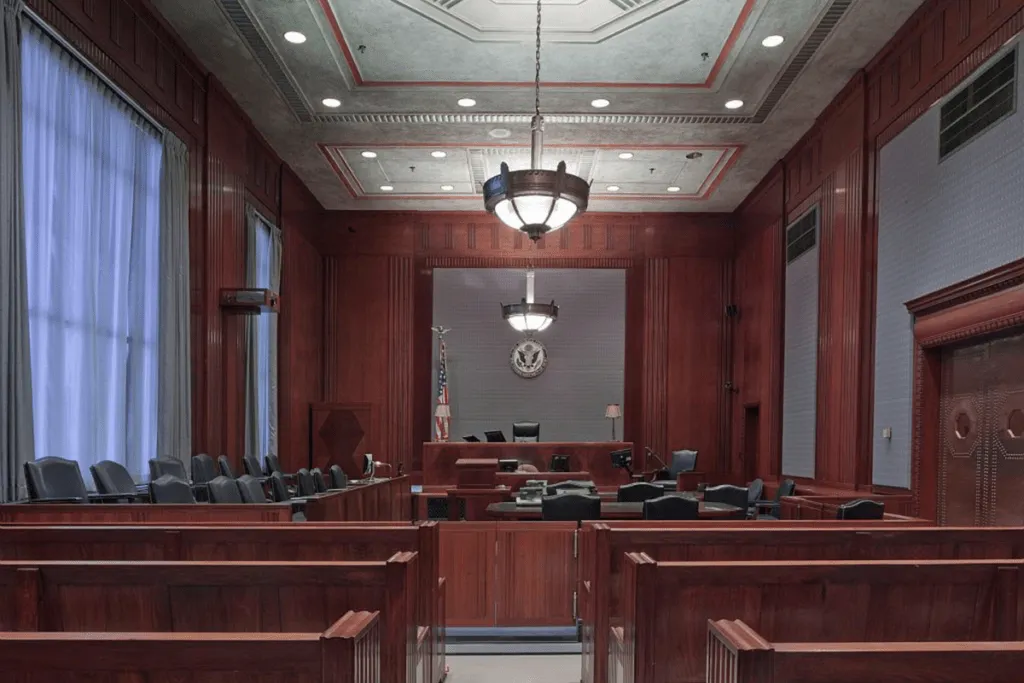

A Clerk Magistrate’s Hearing is a critical pre-arraignment proceeding in the Massachusetts criminal justice system. Also known as a preliminary hearing or a “show cause hearing” a clerk magistrate hearing serves as an important gateway, determining whether a criminal complaint will be formally issued against an individual.
Having a Massachusetts clerk magistrate hearing lawyer is extremely beneficial for those facing this situation. Since the outcome can have significant implications for your future, understanding the purpose and process of these hearings is essential. Learn more from this basic overview of what a clerk magistrate’s hearing entails by reading the commonly asked questions and answers below.
What is a Clerk Magistrate?
Clerk magistrates are judicial officers responsible for overseeing certain pre-trial proceedings, including Clerk Magistrate’s Hearings. They are appointed by the Chief Justice of the District Court and must meet specific qualifications, such as being a member of the Massachusetts Bar. A clerk magistrate is a court official, not a judge, who determines if there is enough probable cause to charge an individual with a crime.
Can I Represent Myself in a Clerk Magistrate’s Hearing?
Yes, you have the right to represent yourself in a Clerk Magistrate’s Hearing. However, it is generally advisable to have an experienced Massachusetts criminal defense attorney represent you, as they can navigate the legal complexities and effectively advocate on your behalf.
How is a Clerk Magistrate’s Hearing Different from a Criminal Trial?
The key difference is that a Clerk Magistrate’s Hearing is a pre-arraignment proceeding, while a criminal trial is the final stage of the judicial process. During a Clerk Magistrate’s Hearing, the focus is on establishing if sufficient evidence exists for a formal criminal charge rather than determining guilt or innocence beyond a reasonable doubt, which is the outcome of a criminal trial.
For a free legal consultation, call (781) 740-0800
What Happens if I Fail to Appear at the Clerk Magistrate’s Hearing?
If you fail to attend the Clerk Magistrate’s Hearing, the Clerk Magistrate may proceed in your absence and potentially issue a criminal complaint against you. It is crucial to make every effort to attend the hearing and have your voice heard.
Can I Reschedule a Court Date?
Yes, you or your attorney may request a continuance or postponement of the Clerk Magistrate’s Hearing. The Clerk Magistrate has the discretion to grant or deny such a request, depending on the circumstances and the reasons provided. Additionally, filing a motion for continuance may or may not be required.
How Long does a Magistrate Hearing Take?
The duration of a Clerk Magistrate’s Hearing can vary, depending on the complexity of the case and the amount of evidence presented. Most hearings may last only a few minutes, while others sometimes extend for several hours or even multiple sessions.
The Process of a Clerk Magistrate’s Hearing
The Clerk Magistrate’s Hearing process begins with the issuance of a notice to the defendant, informing them of the date, time, and location of the proceeding.
During the hearing, the Clerk Magistrate will review the evidence presented by the prosecution and any arguments or evidence presented by the defendant or their attorney. This includes the examination of witnesses and the evaluation of physical or documentary evidence.
The Burden of Proof in a Clerk Magistrate’s Hearing
The burden of proof in a Clerk Magistrate’s Hearing is the “probable cause” standard, which is a lower threshold than the “beyond a reasonable doubt” standard required for a criminal conviction. Essentially, the evidence provided by the complainant (usually police or a citizen) must support that a crime was more than likely committed.
Click to contact our criminal defense lawyers today
Possible Outcomes of a Clerk Magistrate’s Hearing
The possible outcomes of a Clerk Magistrate’s Hearing include:
- The issuance of a criminal complaint
- The dismissal of the case (M.G.L. c. 218 § 35A)
- The imposition of certain conditions or recommendations
If a criminal complaint is issued, the case will proceed to the next stage of the criminal justice process, arraignment.
Can I Appeal the Decision Made at a Clerk Magistrate’s Hearing?
If the magistrate decides to issue a formal criminal complaint, there is no direct appeal of that decision. However, a motion to dismiss criminal charges may be filed before or at arraignment.
Complete a Free Case Evaluation form now
Hire Nate Amendola Defense to Represent You at Your Clerk Magistrate’s Hearing
While you have the right to represent yourself, it is generally advisable to have an experienced criminal defense attorney represent you so that you always know what to expect at a magistrate hearing. An experienced criminal defense lawyer with our team will know the local court system, law, and what circumstances can mitigate the formal issuing of charges against you. Nate Amendola Defense can help you prepare for your hearing, present evidence, and arguments effectively, and explore all available legal options for the best case outcome possible.
Call or text (781) 740-0800 or complete a Free Case Evaluation form